
Hip to Gable Loft Conversions
What is a hip to gable loft conversion?
A hip to gable loft conversion extends the sloping side of your roof, transforming it into a vertical wall (gable) to create more interior space. This type of conversion is ideal for properties with a hipped roof and adds both headroom and functionality to the loft area.
Table of Content
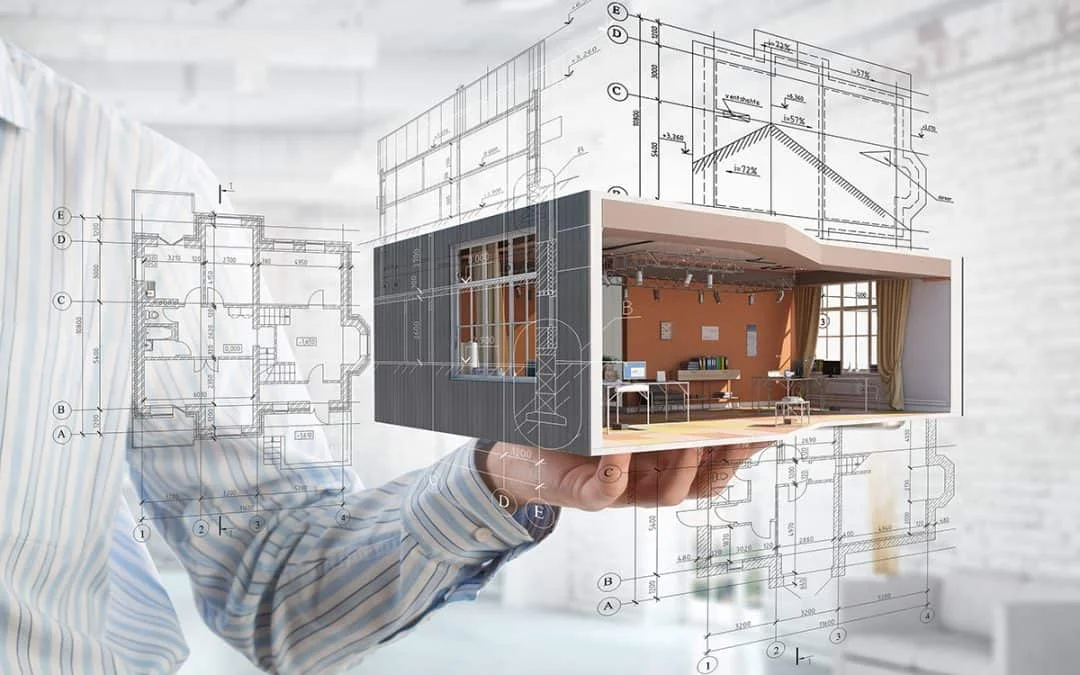
Why our Hip to Gable Loft Conversion?
Hip to Gable Loft Benefits
A hip to gable loft conversion is perfect for maximizing space in homes with sloping roofs, offering more headroom and increasing the overall functionality of the loft.

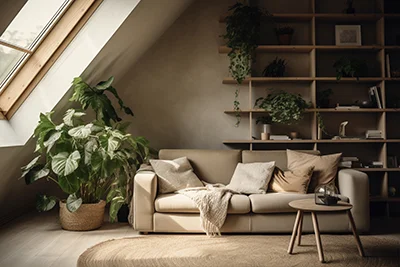
"The best rooms have something to say about the people who live in them."
David Hicks
Explore the Different Styles
Types of Loft Conversions
Loft conversions come in various styles, including standard, doble hip to gable, L-shaped, and with Velux, each offering unique benefits to complement your home’s design and maximize space.
Standard
Extends the sloping side of a roof into a vertical gable wall, creating more space and headroom.
Double Hip to Gable
Ideal for detached homes, this converts both sides of the roof from hip to gable, maximizing the loft's usable area.
L-shaped
Perfect for properties with an existing rear extension, this conversion maximizes space by adding both a hip to gable and an L-shaped rear dormer.
Velux
Instead of adding a dormer, Velux windows are installed for natural light while the hip to gable creates additional space.
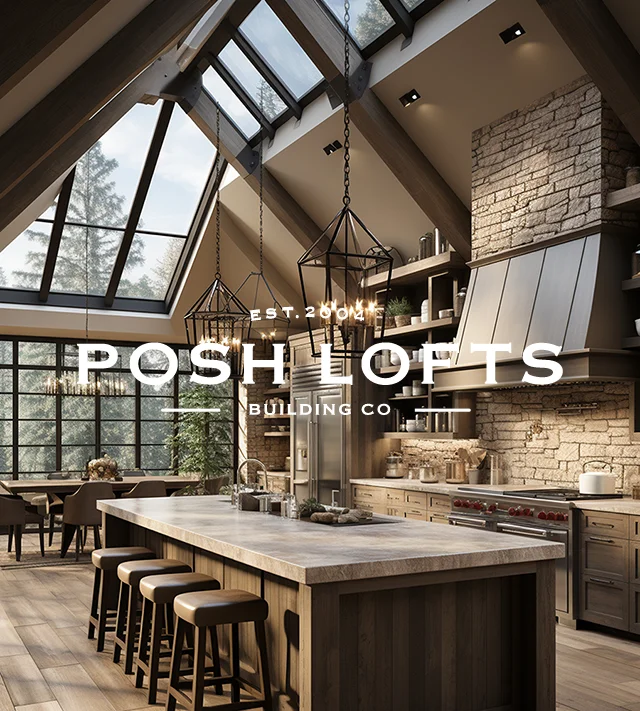
Exquisite Loft Conversions
Posh Lofts Crafted for Luxury & Uniqueness
At Posh Lofts, every conversion is meticulously crafted to reflect luxury and individuality. We combine exceptional design with high-end materials to create bespoke loft spaces that not only enhance your home’s functionality but also exude elegance and exclusivity. Our attention to detail ensures that each loft is a unique masterpiece, tailored to your personal style and needs.
Our Loft Conversion Process
Our loft conversion process is meticulously planned and executed, guiding you through each step—from the initial consultation and custom design phase to securing necessary planning permissions, and ensuring all work complies with building regulations, right through to the final touches of construction and interior finishes—so that your project is completed seamlessly, on time, and with precision.
01
Initial Consultation
A professional surveyor or loft conversion specialist visits your home to assess the potential for converting your loft. During this stage, you discuss your vision, requirements, and any specific design preferences.
02
Study & Quotation
The surveyor evaluates the structural integrity of your loft, roof type, and available space to determine if a conversion is viable. Following the assessment, you receive a detailed quote and an outline of the proposed work.
03
Design & Planning
Once you agree on the plan and budget, an architect or designer draws up detailed plans. These include the layout, design features, and any structural changes needed. Depending on your project, this may include interior design, lighting, storage, and energy efficiency considerations.
04
Permission & Regulations
If required, planning permission is submitted to the local council. Whether or not planning permission is needed, your conversion will have to meet UK building regulations. This ensures the loft is structurally sound and adheres to safety standards like fire safety, insulation, and accessibility.
05
Structural Changes
Once approvals are in place, the builders begin structural work. This could involve reinforcing the floor, installing dormers or roof windows, and adjusting the roof structure (if necessary) to create more headroom. Scaffolding is often used, and access is typically through the exterior to minimize disruption inside your home.
06
Electrical, Plumbing
After the main structure is in place, the next phase involves installing wiring, plumbing (if needed for bathrooms), and insulating the loft for energy efficiency. This stage also includes making sure the loft complies with fire safety regulations (e.g., fitting smoke alarms, ensuring fire doors are installed).
07
Interior Fit-Out
The loft conversion takes shape as walls are plastered, flooring is laid, and any bespoke elements such as built-in storage or skylights are installed. At this stage, bathrooms or en-suite facilities are also fitted, if part of the plan.
08
Final Finishes
The final phase involves painting, decorating, and finishing touches like lighting, fixtures, and doors. You can now personalize the space with your choice of design elements, from colors and textures to furnishings.
09
Certification & Handover
Once the work is complete, the loft conversion is inspected by a building control officer to ensure it complies with building regulations and you’ll receive a completion certificate.
What our clients say
Our clients love how we transform their lofts into stunning, functional spaces that exceed their expectations.




Hip to Gable Loft Inspiration
Design & Inspiration
Discover endless design possibilities with hip to gable loft conversions, where creativity meets functionality. From cozy bedrooms to spacious home offices, each loft is tailored to reflect your personal style and maximize the potential of your home.
photo credit: Adam Carter
photo credit: Future
photo credit: Jeremy Phillips
photo credit: Oliver Hammick
photo credit: Chris Snook
photo credit: Edward McCann Architect
Hip to Gable Loft Conversion Cost
Cost Estimation
Creating a hip to gable loft conversion is a complex process with many variables, making it challenging to provide an exact cost without a detailed assessment.
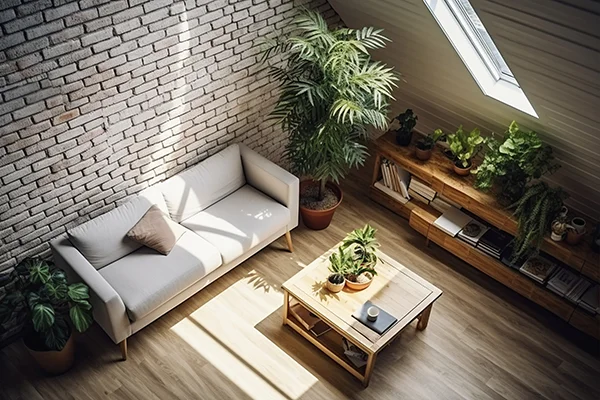
Small 20 sq.m
£30,000 to £35,000
Medium 30 sq.m
£40,000 to £45,000

Large 40 sq.m
£45,000 to £50,000
What factors affect the cost of a loft conversion?
- Size of the Conversion: Larger lofts require more materials and labor, increasing the overall cost.
- Type of Conversion: More complex designs, such as dormer or hip to gable conversions, are generally more expensive than simpler options like Velux conversions.
- Materials and Finishes: High-quality materials and luxury finishes, such as bespoke windows and premium flooring, will raise costs.
- Structural Changes: The need for structural reinforcements, like raising the roof or lowering ceilings, can add significant expense.
- Location: Loft conversions in areas like London and the South East tend to cost more due to higher labor and material rates.
FAQ - How can we help?
A hip to gable loft conversion extends the sloping side of your roof (the "hip") to create a vertical wall (the "gable"), providing more internal space and headroom in the loft.
In most cases, a hip to gable loft conversion falls under permitted development. However, if your property is in a conservation area or exceeds specific size limits, planning permission may be required.
The cost typically ranges from £40,000 to £70,000, depending on factors like the size of the conversion, complexity, and materials used.
A standard hip to gable loft conversion usually takes between 8-12 weeks, but this may vary based on the complexity of the project.
This type of conversion is ideal for homes with hipped roofs, such as semi-detached, detached, or end-of-terrace properties.
Yes, a hip to gable loft conversion can significantly increase the value of your home, often by up to 20%, depending on the area and quality of the work.
Yes, many hip to gable loft conversions incorporate en-suite bathrooms, provided there is enough space and access to plumbing.
The amount of space added depends on your roof's shape and size, but a hip to gable conversion can increase the usable loft area by around 40%.
A hip to gable conversion extends the roof's sloping side to create a vertical wall, while a dormer loft conversion adds a flat-roofed extension to increase headroom. They can also be combined for even more space.
Yes, like all loft conversions, hip to gable conversions must comply with building regulations to ensure the structural integrity, fire safety, and insulation standards are met.
Ready For Your Project?
Ready to Unlock Your Home’s Potential?
Make a lasting impression with a loft design that reflects your personality and sets your home apart with elegance and sophistication.